


Product Details
Product Details
SAM Labs is a hardware, software, and curriculum ecosystem for hands-on STEAM learning. It is intended primarily for elementary and middle-grade learners using physical computing kits, with students, teachers, library/makerspace staff, and STEM leaders using it to support coding, engineering design, physical computing, creativity, and problem solving.
Students program wireless blocks, motors, sensors, and classroom materials to design and test physical computing projects. Districts should evaluate how the product fits adopted curriculum, student needs, instructional time, and the work educators must do around it.
Product Details
SAM Labs is a hardware, software, and curriculum ecosystem for hands-on STEAM learning. It is intended primarily for elementary and middle-grade learners using physical computing kits, with students, teachers, library/makerspace staff, and STEM leaders using it to support coding, engineering design, physical computing, creativity, and problem solving.
Students program wireless blocks, motors, sensors, and classroom materials to design and test physical computing projects. Districts should evaluate how the product fits adopted curriculum, student needs, instructional time, and the work educators must do around it.

Product Details
ScholarChip Attendance is an automated attendance and student-accountability system that uses smart identity credentials and related capture devices to record when students enter a building, board transportation, or arrive in selected locations. It is intended to give schools a more timely and reliable picture of student presence than manual roll-taking alone.
The platform can connect attendance events with alerts, reporting, and ScholarChip's broader safety and behavior products. Districts should evaluate the specific identity technology, locations covered, exception workflows, privacy requirements, and SIS exchange included in a proposed deployment.

Product Details
ScholarChip ABE is a web-based behavior documentation and intervention system. School staff can create referrals, route them for administrative follow-up, assign responses or instructional interventions, and retain a districtwide history rather than managing incidents through paper forms and separate files.
The product combines incident management with age-appropriate intervention content from Ripple Effects. That allows a school to move beyond recording what happened and assign guided lessons or activities intended to address the underlying behavior, then monitor whether the student completed the intervention and improved.
Product Details
SchoolAI is a K–12 generative AI platform that gives teachers tools for planning and content creation while providing students with teacher-configured AI learning environments called Spaces. Students interact with an AI assistant inside the boundaries, learning goals, source material, and instructional approach established by the educator.
The platform is designed to help schools provide differentiated AI-supported learning without leaving student activity in an unmanaged public chatbot. Teachers can monitor sessions through Mission Control, respond to safety or learning signals, and review evidence of student thinking, while district plans add centralized administration, reporting, rostering, and LMS connections.

Product Details
School Check IN is a legacy visitor and front-office management product now owned by Navigate360. It supports visitor sign-in, badge printing, student late-arrival and early-release workflows, and tracking of staff, substitutes, and volunteers so schools can replace handwritten logs and maintain a more reliable record of who is on campus.
Navigate360 is encouraging School Check IN customers to move to its newer Visitor Management platform, which adds stronger screening, districtwide visibility, SIS connections, volunteer workflows, mobile options, and emergency-management integration. Districts still using School Check IN should confirm support timelines and plan migration rather than treating the older and newer products as equivalent.
Product Details
School Passport is GG4L's education integration-platform-as-a-service for governed exchange between schools and edtech vendors. It provides prebuilt and standards-based connections while allowing districts to approve applications, control what information each application receives, and publish authorized tools through a district or school app catalog.
The platform is designed to reduce both integration work and unnecessary disclosure of student information. It can provide rostering, data exchange, single-sign-on coordination, privacy controls, and application-usage analytics, and it can operate alongside services such as Clever or ClassLink. This is the product-level record that should likely become the canonical listing if the separate GG4L company record is merged.
Product Details
ScootPad is a standards-aligned adaptive practice and personalized-learning platform. It is intended primarily for elementary and middle-grade learners, with students, teachers, interventionists, and administrators using it to support adaptive mathematics and ela practice, scaffolding, mastery, and assessment.
Students follow adaptive or teacher-created learning paths with lessons, practice, assessment, and immediate scaffolding. Districts should evaluate how the product fits adopted curriculum, student needs, instructional time, and the work educators must do around it.
Product Details
Seesaw is an elementary-focused learning experience platform that combines classroom activities, multimodal student work, portfolios, formative assessment, teacher feedback, and family communication. Students can demonstrate learning with photos, video, audio, drawing, text, links, and uploaded files rather than relying only on conventional documents or tests.
Teachers can assign lessons, differentiate activities, review progress, and share approved work with families, while district tools support curriculum libraries, standards, analytics, and administration. Seesaw covers meaningful LMS functions for younger learners but also fits Student Engagement, Digital Portfolios, and Family Communication.

Product Details
Sooth is a student-focused search and research platform emphasizing vetted sources. It is intended primarily for secondary and postsecondary learners conducting online research, with students, teachers, librarians, and debate or research programs using it to support source discovery, media literacy, bias, reliability, citation, and research organization.
Learners search curated web sources, compare reliability and media-bias information, save sources, take notes, build collections, and create citations. Districts should evaluate how the product fits adopted curriculum, student needs, instructional time, and the work educators must do around it.
Product Details
Soundtrap for Education is Spotify’s browser-based collaborative audio-production environment for education. It is intended primarily for upper-elementary through high-school learners creating music, podcasts, and audio projects, with students, music teachers, classroom teachers, language teachers, and media staff using it to support music production, audio storytelling, collaboration, speaking, and creative expression.
Students record, edit, loop, mix, compose, interview, narrate, and collaborate on audio projects from school-managed workspaces. Districts should evaluate how the product fits adopted curriculum, student needs, instructional time, and the work educators must do around it.
Product Details
STEMscopes is Accelerate Learning’s digital and print curriculum portfolio. It is designed primarily for students across elementary and secondary grades, depending on the licensed science, math, or STEM product, with classroom teachers, students, curriculum leaders, and instructional coaches using it to support standards-aligned science inquiry, engineering, mathematics, phenomena, and hands-on learning.
Teachers combine investigations, phenomena, readings, simulations, discourse, assessment, intervention, and hands-on materials within a structured instructional sequence. The product should be evaluated for the specific learners, instructional setting, and intensity of support a district intends—not simply as another source of digital activities.
Product Details
The SWIS Suite from PBISApps is a set of web applications for collecting and using student behavior data within a PBIS or multi-tiered support framework. Its central purpose is decision support: schools enter office discipline referrals and intervention data, then use standardized reports to understand who is involved, what happened, where and when incidents occur, and how patterns change over time.
The suite includes SWIS for schoolwide referral data, CICO-SWIS for Check-In/Check-Out interventions, and I-SWIS for individualized student support. It is best suited to schools that already have defined behavior expectations and response processes and need a structured system for monitoring implementation and outcomes.
Product Details
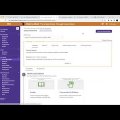
TCI History Alive! is a family of interactive social-studies curricula from TCI. It is intended primarily for upper-elementary through high-school social-studies students, depending on the specific TCI course, with teachers, students, curriculum leaders, and multilingual-learner staff using it to support history, geography, civics, economics, inquiry, discussion, and source analysis.
Teachers use structured experiential lessons, readings, primary sources, maps, simulations, discussion, writing, and assessment to help students investigate social studies. Districts should evaluate how the product fits adopted curriculum, student needs, instructional time, and the work educators must do around it.
Product Details
ThinkCERCA is a literacy curriculum and platform organized around claims, evidence, reasoning, counterarguments, and audience. It is intended primarily for upper-elementary through high-school learners writing across subjects, with students, ELA and content-area teachers, literacy coaches, and curriculum leaders using it to support argument writing, close reading, evidence, reasoning, discussion, and disciplinary literacy.
Students read differentiated texts, discuss ideas, plan arguments, draft writing, and receive teacher feedback across ELA and content areas. Districts should evaluate how the product fits adopted curriculum, student needs, instructional time, and the work educators must do around it.

Product Details
Tinkercad is Autodesk’s free browser-based design and simulation environment. It is intended primarily for upper-elementary through high-school makers and designers, with students, teachers, CTE staff, library/makerspace staff, and robotics programs using it to support 3d design, circuits, coding, engineering design, and prototyping.
Learners create 3D models, simulate circuits, code designs, and prepare files for fabrication or presentation. Districts should evaluate how the product fits adopted curriculum, student needs, instructional time, and the work educators must do around it.
Product Details
True Progress is the student-success assessment system formerly called Track My Progress. It is intended primarily for elementary and middle-grade learners taking periodic adaptive assessments, with students, teachers, intervention teams, school leaders, and administrators using it to support screening, diagnostic assessment, growth monitoring, instructional grouping, and program evaluation.
Students take brief adaptive mathematics and ELA assessments while educators review scale, domain, growth, and intervention information. Districts should evaluate how the product fits adopted curriculum, student needs, instructional time, and the work educators must do around it.
Product Details
TypingClub is a web-based keyboarding and digital-literacy curriculum platform. It is intended primarily for K–12 learners developing keyboarding and digital-literacy skills, with students, teachers, library/media staff, special educators, and technology programs using it to support touch typing, speed, accuracy, ergonomics, digital citizenship, and basic technology skills.
Students complete sequenced lessons, games, timed practice, and assessments while educators assign courses and monitor accuracy and growth. Districts should evaluate how the product fits adopted curriculum, student needs, instructional time, and the work educators must do around it.

Product Details
Verkada is a cloud-managed physical-security platform combining video cameras, access control, alarms, intercoms, visitor management, environmental sensors, and emergency-response tools in one administrative environment. Schools can monitor campuses, investigate incidents, manage doors and credentials, screen visitors, receive analytic alerts, and share selected information with first responders.
Video is stored on Verkada cameras with cloud-based management and remote access rather than through a conventional central NVR design. The integrated approach can simplify administration, but districts should evaluate subscription dependency, bandwidth, retention, privacy and biometric analytics, cybersecurity, open-records response, evidence export, and interoperability before standardizing on the ecosystem.