



Product Details
BizWorld is a nonprofit provider of hands-on entrepreneurship, business, financial-literacy, STEAM, and durable-skills programs. Its classroom curricula ask students to form teams, develop products or app-based solutions, make financial and marketing decisions, pitch ideas, and operate simulated or real microbusinesses.
The programs build career awareness, initiative, teamwork, communication, and practical business skills, but they do not provide districtwide college planning, application management, academic pathway tracking, or counseling workflows. BizWorld therefore belongs more naturally with entrepreneurship, financial literacy, project-based curriculum, or career-connected learning.
Product Details
Blocksi is a K–12 web filtering, classroom management, student-safety, and Chromebook oversight platform. It gives district administrators, teachers, and other authorized users role-specific dashboards for controlling web access, viewing student activity, managing classroom browsing, and responding to safety or policy concerns.
Although Blocksi includes device-oriented visibility and controls, its central value is managing student online activity rather than provisioning and maintaining a general endpoint fleet. It fits better in a web filtering, classroom management, or student digital safety category, with a cross-reference from Chromebook management if the catalog supports one.
Product Details
Book Creator is a digital book-authoring and publishing environment. It is intended primarily for K–12 learners creating books, portfolios, comics, reports, and multimedia explanations, with students, teachers, special educators, multilingual-learner staff, and librarians using it to support writing, multimodal composition, accessibility, student voice, and demonstration of learning.
Students combine text, drawing, images, audio, video, links, and accessibility supports to create individual or collaborative publications. Districts should evaluate how the product fits adopted curriculum, student needs, instructional time, and the work educators must do around it.
Product Details

Product Details
BookFlix is Scholastic’s digital paired-fiction-and-nonfiction literacy resource. It is intended primarily for early-childhood and primary-grade readers, with students, teachers, librarians, multilingual-learner staff, and families using it to support early literacy, informational reading, vocabulary, comprehension, and book engagement.
Children watch or read paired books and use related games, vocabulary, author information, and comprehension activities. Districts should evaluate how the product fits adopted curriculum, student needs, instructional time, and the work educators must do around it.
Product Details
Boom Learning / Boom Cards is a marketplace and delivery platform for interactive Boom Cards. It is intended primarily for learners across grade levels using teacher-selected self-checking task decks, including many special-education and early-learning contexts, with students, teachers, special educators, interventionists, and content creators using it to support skill practice, immediate feedback, formative checks, and reusable digital task cards.
Teachers assign purchased or self-created decks and review response data while students complete short interactive tasks. Districts should evaluate how the product fits adopted curriculum, student needs, instructional time, and the work educators must do around it.
Product Details
Product Details
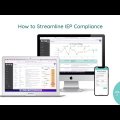
Brolly is a special education documentation platform focused on service minutes, IEP goal progress, and district compliance visibility. Teachers and providers record services and progress in streamlined forms, while dashboards and reports consolidate the information for case managers and administrators.
The platform helps districts identify missed services, unmonitored goals, documentation gaps, and students whose progress needs attention without waiting for manually assembled spreadsheets. Brolly works alongside the authoritative IEP and student systems, so integration scope and record ownership should be confirmed.
Product Details
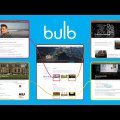
bulb is a digital portfolio and multimedia content-creation platform for students, educators, and professionals. Students collect work, reflect on learning, document skills and experiences, build resumes, and publish selected evidence for teachers, families, colleges, internships, or employers through controlled sharing settings.
In schools, bulb can support formative assessment, student voice, project documentation, career portfolios, and the transition from coursework to a public-facing showcase. It integrates with common learning and access platforms, but it is not a complete college-and-career planning system because it does not replace career assessment, course planning, counselor tracking, or application-management tools.
Product Details
Cengage is a large publisher and platform portfolio rather than one K–12 product. It is designed primarily for primarily high-school advanced, career-technical, dual-enrollment, and postsecondary learners, depending on product, with teachers, students, curriculum leaders, libraries, and dual-enrollment programs using it to support discipline-specific textbooks, digital courseware, practice, assessment, and career preparation.
District use may involve MindTap, WebAssign, National Geographic Learning, Gale resources, or individual print/digital programs with very different audiences. The product should be evaluated for the specific learners, instructional setting, and intensity of support a district intends—not simply as another source of digital activities.
Product Details
Choicelunch is a school meal provider and ordering service through which families select and purchase prepared lunches for participating schools. It combines menus, ordering, dietary information, account management, and meal delivery operations.
Unlike cafeteria-management software, Choicelunch provides the meals and associated family ordering experience. It belongs in a distinct Meal Provider / Food Service Vendor category rather than being presented as a district nutrition ERP.
Product Details
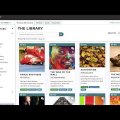
CommonLit is a nonprofit digital literacy platform offering a full curriculum and supplemental library. It is intended primarily for upper-elementary through high-school readers, including multilingual learners and students needing differentiated access, with ELA teachers, students, literacy specialists, and curriculum leaders using it to support grade-level reading, knowledge building, text evidence, vocabulary, discussion, and writing.
Teachers use text sets, units, paired texts, questions, discussion, writing, assessment, and accessibility supports for whole-class or targeted instruction. Districts should evaluate how the product fits adopted curriculum, student needs, instructional time, and the work educators must do around it.
Product Details
CPM Educational Program is a nonprofit secondary mathematics curriculum with print and digital resources. It is intended primarily for middle- and high-school mathematics students, with math teachers, students, coaches, and curriculum leaders using it to support collaborative problem solving, reasoning, discourse, mathematical connections, and secondary course content.
Students work in teams on sequenced problems and investigations while teachers facilitate discourse, questioning, practice, and assessment. Districts should evaluate how the product fits adopted curriculum, student needs, instructional time, and the work educators must do around it.
Product Details
CueThink is a mathematics problem-solving application and instructional framework. It is intended primarily for elementary through high-school mathematics learners, with students, math teachers, interventionists, special educators, and coaches using it to support problem solving, metacognition, mathematical discourse, representation, and collaboration.
Students use understand-plan-solve-review phases, record visual and verbal solution paths, and discuss peers’ strategies. Districts should evaluate how the product fits adopted curriculum, student needs, instructional time, and the work educators must do around it.
Product Details
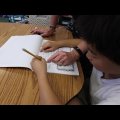
D’Nealian Handwriting is Savvas’s handwriting curriculum using the D’Nealian manuscript-to-cursive approach. It is intended primarily for elementary learners developing manuscript and cursive handwriting, with students, elementary teachers, occupational-therapy partners, and families using it to support letter formation, manuscript, cursive, fine-motor practice, and written fluency.
Students practice letter strokes, spacing, words, sentences, and connected writing through print and digital resources. Districts should evaluate how the product fits adopted curriculum, student needs, instructional time, and the work educators must do around it.

Product Details
Davis Digital is Davis Publications’ digital delivery platform and visual-arts curriculum portfolio. It is intended primarily for K–12 visual-arts learners using Davis Publications programs, with students, art teachers, curriculum leaders, and library/media staff using it to support artmaking, art history, critique, visual culture, media, and standards-based instruction.
Teachers and students access licensed textbooks, images, lessons, media, portfolios, and instructional resources for specific art programs. Districts should evaluate how the product fits adopted curriculum, student needs, instructional time, and the work educators must do around it.

Product Details
DBQ Online is the digital delivery platform for The DBQ Project’s inquiry-based social-studies curriculum. It is intended primarily for upper-elementary through high-school students learning history and civics through evidence, with social-studies teachers, students, literacy staff, and curriculum leaders using it to support primary-source analysis, historical reasoning, argument writing, and document-based questions.
Students analyze sequenced documents, discuss competing evidence, organize claims, and write supported arguments while teachers use scaffolds and rubrics. Districts should evaluate how the product fits adopted curriculum, student needs, instructional time, and the work educators must do around it.
Product Details
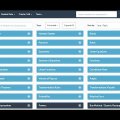
DeltaMath is an online mathematics practice and assignment platform. It is intended primarily for middle- and high-school mathematics students across pre-algebra through calculus and statistics, with students, mathematics teachers, interventionists, and tutors using it to support problem practice, immediate feedback, assignment, and formative assessment.
Teachers select problem sets, examples, and assessments while students receive repeated practice and immediate correctness feedback. Districts should evaluate how the product fits adopted curriculum, student needs, instructional time, and the work educators must do around it.
Product Details
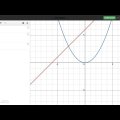
Desmos Classroom is the classroom-activity environment now developed within Amplify alongside free Desmos math tools. It is intended primarily for primarily middle- and high-school mathematics students, with activities extending across grade bands, with students, mathematics teachers, coaches, and curriculum leaders using it to support mathematical modeling, representation, discourse, formative assessment, and conceptual reasoning.
Teachers facilitate sequenced interactive activities and monitor student thinking in real time while students manipulate representations, explain reasoning, and compare approaches. Districts should evaluate how the product fits adopted curriculum, student needs, instructional time, and the work educators must do around it.
Product Details
DIBELS is a family of brief indicators used to screen and monitor foundational literacy development. The University of Oregon maintains DIBELS 8th Edition materials, while commercial products such as Amplify mCLASS and Acadience provide related administration, data, or successor assessment environments.
Districts may use downloadable measures, a commercial platform, or locally managed scoring, so a product record named only DIBELS can blur the assessment framework with the software actually used. Districts should align administration, accommodations, score interpretation, data access, and retention with the intended use of the assessment.