


Product Details
CodeHS Pro is the paid school edition of CodeHS’s secondary computer-science curriculum and platform. It is intended primarily for middle- and high-school learners in computer science, cybersecurity, web, and technology courses, with students, computer-science teachers, CTE staff, counselors, and curriculum leaders using it to support programming, computational thinking, cybersecurity, web development, and course assessment.
Teachers deliver sequenced courses, coding exercises, projects, quizzes, sandboxes, and feedback while monitoring progress and code submissions. Districts should evaluate how the product fits adopted curriculum, student needs, instructional time, and the work educators must do around it.
Product Details
Code.org is a nonprofit provider of free computer-science curriculum, tools, and professional learning. It is designed primarily for students from early elementary through high school, including beginners and students historically underrepresented in computing, with classroom teachers, computer-science specialists, students, and after-school programs using it to support computational thinking, programming, digital citizenship, ai concepts, and computer science pathways.
Teachers use sequenced courses, unplugged lessons, block or text coding, projects, assessments, and dashboards to introduce computer science or deliver full courses. The product should be evaluated for the specific learners, instructional setting, and intensity of support a district intends—not simply as another source of digital activities.
Product Details
CueThink is a mathematics problem-solving application and instructional framework. It is intended primarily for elementary through high-school mathematics learners, with students, math teachers, interventionists, special educators, and coaches using it to support problem solving, metacognition, mathematical discourse, representation, and collaboration.
Students use understand-plan-solve-review phases, record visual and verbal solution paths, and discuss peers’ strategies. Districts should evaluate how the product fits adopted curriculum, student needs, instructional time, and the work educators must do around it.

Product Details
D’Nealian Handwriting is Savvas’s handwriting curriculum using the D’Nealian manuscript-to-cursive approach. It is intended primarily for elementary learners developing manuscript and cursive handwriting, with students, elementary teachers, occupational-therapy partners, and families using it to support letter formation, manuscript, cursive, fine-motor practice, and written fluency.
Students practice letter strokes, spacing, words, sentences, and connected writing through print and digital resources. Districts should evaluate how the product fits adopted curriculum, student needs, instructional time, and the work educators must do around it.

Product Details
Davis Digital is Davis Publications’ digital delivery platform and visual-arts curriculum portfolio. It is intended primarily for K–12 visual-arts learners using Davis Publications programs, with students, art teachers, curriculum leaders, and library/media staff using it to support artmaking, art history, critique, visual culture, media, and standards-based instruction.
Teachers and students access licensed textbooks, images, lessons, media, portfolios, and instructional resources for specific art programs. Districts should evaluate how the product fits adopted curriculum, student needs, instructional time, and the work educators must do around it.

Product Details
DBQ Online is the digital delivery platform for The DBQ Project’s inquiry-based social-studies curriculum. It is intended primarily for upper-elementary through high-school students learning history and civics through evidence, with social-studies teachers, students, literacy staff, and curriculum leaders using it to support primary-source analysis, historical reasoning, argument writing, and document-based questions.
Students analyze sequenced documents, discuss competing evidence, organize claims, and write supported arguments while teachers use scaffolds and rubrics. Districts should evaluate how the product fits adopted curriculum, student needs, instructional time, and the work educators must do around it.
Product Details
DreamBox Math is an adaptive digital mathematics program now within Discovery Education. It is designed primarily for elementary and middle-school mathematics learners, including students needing enrichment or additional practice, with students, classroom teachers, interventionists, and administrators using it to support conceptual mathematics, adaptive practice, and differentiated learning pathways.
The environment changes representations, prompts, and task sequence based on student actions while teachers use usage and growth reports to plan support. The product should be evaluated for the specific learners, instructional setting, and intensity of support a district intends—not simply as another source of digital activities.

Product Details
Duolingo for Schools is the classroom-management layer for Duolingo language practice. It is intended primarily for secondary and adult language learners using independent practice, with students, world-language teachers, families, and independent learners using it to support vocabulary, listening, reading, pronunciation, grammar, and practice habits.
Teachers organize classes and assignments while students complete gamified lessons in a selected language pathway. Districts should evaluate how the product fits adopted curriculum, student needs, instructional time, and the work educators must do around it.
Product Details
Edcite is an online assessment-authoring and delivery platform with technology-enhanced questions, standards tagging, shared content, automatic scoring, and reports. Teachers can build their own assignments or draw from public, district, and premium item collections.
Schools use Edcite for formative checks, common assessments, benchmark practice, and preparation for online state-test item formats. Districts should align administration, accommodations, score interpretation, data access, and retention with the intended use of the assessment.
Product Details
Edlink is a unified integration API for education technology companies. A vendor builds one connection to Edlink and can then exchange authorized data with many SIS, LMS, identity, and roster providers instead of developing and maintaining a separate connector for every platform used by schools.
Through those connections, an application can support functions such as single sign-on, rostering, coursework and content exchange, grade passback, attendance, and other available school data. Edlink is primarily infrastructure for edtech developers rather than a district-operated integration console, although school administrators authorize sources, configure sharing, and monitor the connections serving their applications.

Product Details
Edmentum is a broad education-technology portfolio that includes Exact Path, Courseware, Study Island, Apex, and other products. It is designed primarily for K–12 learners across core courses, intervention, practice, assessment, and virtual-school settings, depending on product, with teachers, students, counselors, interventionists, and program administrators using it to support courseware, targeted instruction, practice, assessment, and flexible learning.
Districts use different Edmentum products for different learners—from elementary skill practice to high-school credit recovery—so the instructional experience cannot be inferred from the company name alone. The product should be evaluated for the specific learners, instructional setting, and intensity of support a district intends—not simply as another source of digital activities.
Product Details
eduCLIMBER is a whole-child MTSS data and intervention platform from Renaissance. It brings academic, attendance, behavior, social-emotional, assessment, and intervention information together so school teams can identify needs, create support plans, monitor progress, and review whether services are producing results.
Behavior is one important data domain within the platform, but eduCLIMBER is broader than a dedicated discipline or rewards system. It is most useful to districts seeking a shared MTSS workspace that connects behavior patterns with attendance and academic performance and supports recurring team decision-making.

Product Details
Ellevation Platform is a program-management and instructional-support platform for multilingual learners. It centralizes student profiles, proficiency and academic data, goals, meetings, services, accommodations, monitoring, and reporting while offering strategies and activities for teachers.
Its assessment role is to organize and interpret language and academic results rather than replace ELPAC or function as a general test engine. It fits more naturally under English Learner Management with an assessment cross-reference. Districts should align administration, accommodations, score interpretation, data access, and retention with the intended use of the assessment.

Product Details
enVision Mathematics is Savvas’s print-and-digital mathematics curriculum portfolio. It is intended primarily for K–12 mathematics learners in the adopted grade or course, with students, math teachers, interventionists, coaches, and curriculum leaders using it to support conceptual understanding, procedural fluency, problem solving, and mathematical discourse.
Teachers use problem-based lessons, visual models, practice, assessment, and Realize resources to support grade-level mathematics. Districts should evaluate how the product fits adopted curriculum, student needs, instructional time, and the work educators must do around it.
Product Details
FactCite is a school-focused reference database with subject collections. It is intended primarily for upper-elementary through high-school researchers, with students, teachers, librarians, and multilingual-learner staff using it to support background knowledge, informational literacy, citation, and inquiry.
Learners search concise articles, images, timelines, and citation-ready sources for class research and knowledge building. Districts should evaluate how the product fits adopted curriculum, student needs, instructional time, and the work educators must do around it.

Product Details
FEV Tutor is a district-contracted virtual tutoring service and platform. It is intended primarily for K–12 students receiving scheduled academic intervention or acceleration, with students, tutors, teachers, intervention leaders, counselors, and administrators using it to support live online tutoring, mathematics, ela, homework support, and progress monitoring.
Students participate in one-to-one or small-group online sessions aligned to district goals while staff receive attendance and progress information. Districts should evaluate how the product fits adopted curriculum, student needs, instructional time, and the work educators must do around it.
Product Details
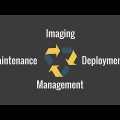
FileWave is a unified endpoint management platform for administering district-owned Apple, Windows, ChromeOS, and Android devices from one console. Technology teams use it to enroll devices, deploy software and settings, maintain inventory, enforce security requirements, and respond to support needs across schools and remote locations.
Its cross-platform approach is useful for districts that want one operational view of a mixed device fleet. FileWave supports ongoing management throughout the device lifecycle, including configuration, application delivery, patching, compliance monitoring, remote actions, and reporting.
Product Details
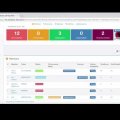
FocalPoint is a suite of K–12 assessment, analytics, adaptive learning, and credential products. The analytics component, LENS, centralizes information from SIS, assessment, LMS, and other education systems into dashboards and predictive views; AssessCloud creates and administers standards-aligned assessments whose results feed those analyses.
Because the catalog record names the entire vendor platform, members should distinguish the products in use: LENS for data warehousing and analytics, AssessCloud for assessment, LearningTree for adaptive learning, and Backpack for credentials. The current platform supports modern 1EdTech standards and common school access services.
Product Details
Freckle by Renaissance is Renaissance’s adaptive practice platform, formerly Front Row Education. It is intended primarily for K–12 learners, with strongest use in elementary and middle grades, with students, classroom teachers, interventionists, and curriculum leaders using it to support differentiated mathematics and ela practice, diagnostics, and progress monitoring.
Students complete standards-connected practice at an adjusted level while teachers assign targeted work and review performance by skill. Districts should evaluate how the product fits adopted curriculum, student needs, instructional time, and the work educators must do around it.

Product Details
Frontline Instructional Materials Management, formerly Hayes TIPWeb-IM, tracks textbooks, curriculum kits, digital licenses, consumables, and other instructional materials from district purchasing and warehouse receipt through campus distribution, student or staff assignment, transfer, collection, and disposition.
Its strength is district inventory accountability rather than library catalog discovery. Course and enrollment relationships, barcode workflows, campus requests, audits, loss or damage charges, and reports help districts allocate materials accurately and avoid unnecessary purchases. It belongs in Library/Textbook but also legitimately overlaps Inventory Management.