



Product Details
PowerSchool Schoology Learning is a district-scale K–12 learning management system for organizing courses, instructional content, assignments, assessments, grades, discussions, and communication. It gives teachers and students a consistent digital classroom across in-person, blended, and remote instruction.
Administrative tools support course templates, standards and mastery workflows, analytics, app integrations, and centralized governance. Its connection to the broader PowerSchool ecosystem can reduce duplicate roster, grade, and student-data work when districts use compatible PowerSchool products.
Product Details
Schoolytics is a managed K–12 data warehouse, dashboard, reporting, and student-support platform. It combines SIS, LMS, assessment, attendance, grade, behavior, survey, and other district information into role-based views for administrators, instructional coaches, counselors, teachers, students, and families.
Districts use Schoolytics to monitor strategic goals, find students needing support, analyze course and graduation pathways, track MTSS indicators, and replace recurring manual reports. The service includes automated connectors and custom data work, while districts retain access to the underlying warehouse rather than receiving dashboards as a closed black box.
Product Details
Scoir is a college discovery, application, and admissions network connecting students, families, high-school counselors, community organizations, and colleges. For K–12 schools, it gives students tools to identify colleges, build a list, compare affordability and fit, plan application work, and submit documents while counselors manage caseloads, recommendations, transcripts, deadlines, and outcomes.
Scoir is strongest on the college side of college-and-career planning rather than career pathway development. Its shared network and integrations reduce duplicate work between school counseling offices, application services, and participating colleges, while district and school dashboards help staff see which students are progressing or need support.
Product Details
ScootPad is a standards-aligned adaptive practice and personalized-learning platform. It is intended primarily for elementary and middle-grade learners, with students, teachers, interventionists, and administrators using it to support adaptive mathematics and ela practice, scaffolding, mastery, and assessment.
Students follow adaptive or teacher-created learning paths with lessons, practice, assessment, and immediate scaffolding. Districts should evaluate how the product fits adopted curriculum, student needs, instructional time, and the work educators must do around it.
Product Details
SimplDiscipline is a school discipline and referral-management application from Simpl. It gives teachers a straightforward way to submit behavior referrals and gives administrators a common queue for documenting review, consequences, parent contact, and resolution rather than relying on email, paper forms, or disconnected spreadsheets.
The product is aimed at making school discipline records easier to enter, find, and analyze. Dashboards and reports help leaders identify repeated incidents, students, behavior types, locations, and other patterns while retaining a documented history of actions taken.

Product Details
Smarty Ants is a game-based foundational-literacy program now associated with McGraw Hill’s Achieve3000 portfolio. It is designed primarily for preschool through early-elementary learners, including developing and multilingual readers, with young students, classroom teachers, reading specialists, and families using it to support phonological awareness, phonics, word recognition, fluency, vocabulary, and early comprehension.
Students progress through animated lessons, songs, stories, and practice while educators review early-literacy performance and usage. The product should be evaluated for the specific learners, instructional setting, and intensity of support a district intends—not simply as another source of digital activities.

Product Details
Sooth is a student-focused search and research platform emphasizing vetted sources. It is intended primarily for secondary and postsecondary learners conducting online research, with students, teachers, librarians, and debate or research programs using it to support source discovery, media literacy, bias, reliability, citation, and research organization.
Learners search curated web sources, compare reliability and media-bias information, save sources, take notes, build collections, and create citations. Districts should evaluate how the product fits adopted curriculum, student needs, instructional time, and the work educators must do around it.

Product Details
ST Math is MIND Education’s visual instructional mathematics program. It is designed primarily for prekindergarten through middle-school mathematics learners, including students benefiting from language-light visual models, with students, math teachers, interventionists, special educators, and administrators using it to support conceptual mathematics, spatial reasoning, productive struggle, and problem solving.
Students solve increasingly complex visual puzzles and receive immediate feedback while teachers connect representations to classroom mathematics and monitor progress. The product should be evaluated for the specific learners, instructional setting, and intensity of support a district intends—not simply as another source of digital activities.
Product Details
STEMscopes is Accelerate Learning’s digital and print curriculum portfolio. It is designed primarily for students across elementary and secondary grades, depending on the licensed science, math, or STEM product, with classroom teachers, students, curriculum leaders, and instructional coaches using it to support standards-aligned science inquiry, engineering, mathematics, phenomena, and hands-on learning.
Teachers combine investigations, phenomena, readings, simulations, discourse, assessment, intervention, and hands-on materials within a structured instructional sequence. The product should be evaluated for the specific learners, instructional setting, and intensity of support a district intends—not simply as another source of digital activities.
Product Details
The SWIS Suite from PBISApps is a set of web applications for collecting and using student behavior data within a PBIS or multi-tiered support framework. Its central purpose is decision support: schools enter office discipline referrals and intervention data, then use standardized reports to understand who is involved, what happened, where and when incidents occur, and how patterns change over time.
The suite includes SWIS for schoolwide referral data, CICO-SWIS for Check-In/Check-Out interventions, and I-SWIS for individualized student support. It is best suited to schools that already have defined behavior expectations and response processes and need a structured system for monitoring implementation and outcomes.
Product Details
Product Details
Synergy Learning Management System is Edupoint’s K–12 LMS designed to operate with the Synergy Student Information System. It gives teachers a place to organize instruction, distribute content and assignments, communicate, assess student work, and manage grades while using student, course, and enrollment data already maintained in Synergy SIS.
Its main district value is the shared Synergy environment: roster and grade workflows can require less separate synchronization than a standalone LMS. Districts should confirm current module capabilities, licensing, and compatibility with their existing Synergy version and third-party instructional tools.
Product Details
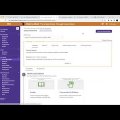
TCI History Alive! is a family of interactive social-studies curricula from TCI. It is intended primarily for upper-elementary through high-school social-studies students, depending on the specific TCI course, with teachers, students, curriculum leaders, and multilingual-learner staff using it to support history, geography, civics, economics, inquiry, discussion, and source analysis.
Teachers use structured experiential lessons, readings, primary sources, maps, simulations, discussion, writing, and assessment to help students investigate social studies. Districts should evaluate how the product fits adopted curriculum, student needs, instructional time, and the work educators must do around it.
Product Details
ThinkCERCA is a literacy curriculum and platform organized around claims, evidence, reasoning, counterarguments, and audience. It is intended primarily for upper-elementary through high-school learners writing across subjects, with students, ELA and content-area teachers, literacy coaches, and curriculum leaders using it to support argument writing, close reading, evidence, reasoning, discussion, and disciplinary literacy.
Students read differentiated texts, discuss ideas, plan arguments, draft writing, and receive teacher feedback across ELA and content areas. Districts should evaluate how the product fits adopted curriculum, student needs, instructional time, and the work educators must do around it.

Product Details
Tinkercad is Autodesk’s free browser-based design and simulation environment. It is intended primarily for upper-elementary through high-school makers and designers, with students, teachers, CTE staff, library/makerspace staff, and robotics programs using it to support 3d design, circuits, coding, engineering design, and prototyping.
Learners create 3D models, simulate circuits, code designs, and prepare files for fabrication or presentation. Districts should evaluate how the product fits adopted curriculum, student needs, instructional time, and the work educators must do around it.
Product Details
True Progress is the student-success assessment system formerly called Track My Progress. It is intended primarily for elementary and middle-grade learners taking periodic adaptive assessments, with students, teachers, intervention teams, school leaders, and administrators using it to support screening, diagnostic assessment, growth monitoring, instructional grouping, and program evaluation.
Students take brief adaptive mathematics and ELA assessments while educators review scale, domain, growth, and intervention information. Districts should evaluate how the product fits adopted curriculum, student needs, instructional time, and the work educators must do around it.
Product Details
Tyler Versatrans is a K–12 student transportation suite for routing, boundary planning, student scheduling, stop assignment, fleet oversight, and family information. District transportation teams use it to build efficient routes while accounting for bell times, safety rules, student needs, equipment requirements, and operational constraints.
Connected Tyler transportation tools can add telematics, GPS, maintenance, driver information, mobile access, field trips, and parent-facing bus location or arrival information. Districts should preserve the current interoperability value while separately documenting actual SIS, identity, GPS, payment, and family-communication connections.
Product Details
Product Details
Videri is Instructure's K–12 data visualization product for combining information from SIS, assessment, attendance, behavior, special education, gradebook, and other systems. It gives educators watchlists, scorecards, longitudinal charts, accountability dashboards, and drill-down views that move from district trends to individual students.
Instructure now directs prospective Videri customers toward Elevate K–12 Analytics, indicating a product transition within the Instructure data and interoperability portfolio. Existing customers should confirm whether their deployment remains Videri or has migrated to Elevate and whether the Certica Connect integration layer is still part of the licensed architecture.

Product Details
Virtual Job Shadow is the former name of Pathful Explore, the career-exploration component of Pathful's career-readiness platform. It helps students connect interests, values, skills, personality, and lifestyle preferences with career possibilities, then learn about those occupations through profiles, labor-market data, interviews, and job-shadow videos featuring working professionals.
Pathful has expanded beyond its original video library into a broader set of planning, employability, work-based learning, and program-management tools. Districts can use the platform to organize career-readiness activities, course and postsecondary plans, local opportunities, student artifacts, and compliance reporting while integrating SIS, rostering, and SSO services.