



Product Details

Product Details
i-Ready is an adaptive K–12 diagnostic for reading and mathematics within Curriculum Associates’ i-Ready system. It estimates current performance by domain and skill and identifies areas where students may need support or extension.
Schools use the Diagnostic at selected points during the year to monitor growth, form instructional groups, set goals, and connect students with teacher-led resources or i-Ready Personalized Instruction. Districts should align administration, accommodations, score interpretation, data access, and retention with the intended use of the assessment.
Product Details
Imagine Math is an adaptive mathematics portfolio from Imagine Learning. It is designed primarily for students across elementary and secondary mathematics, depending on the licensed Imagine Math product, with students, math teachers, interventionists, tutors, and administrators using it to support mathematics practice, conceptual development, intervention, language support, and live tutoring.
Students follow individualized pathways with instruction and practice; some editions add live tutoring and language supports while teachers monitor skill progress. The product should be evaluated for the specific learners, instructional setting, and intensity of support a district intends—not simply as another source of digital activities.
Product Details
Incident IQ iiQ Assets is a K–12 inventory and device-lifecycle system integrated with Incident IQ’s help-desk platform. Districts use it to track devices, accessories, parts, assignments, locations, funding, warranties, repairs, fees, and replacement history from rollout through retirement.
Barcode and bulk workflows support rapid distribution, collection, verification, transfers, audits, loaners, and spare pools. Linking each ticket and repair to the asset record gives technology teams the service history and cost evidence needed for purchasing, budgeting, and refresh decisions.

Product Details
Incident IQ is a K–12 technology-support platform that combines help-desk ticketing with device, application, classroom, and user context. Teachers and staff can submit issues through school-aware workflows while technicians see the student, staff member, room, device, and service information needed to diagnose the request.
Automated routing, self-service, knowledge, parts and repair workflows, service-level tracking, dashboards, and district reporting help technology teams manage support across schools. Optional modules extend the platform into asset management, facilities, events, and other district operations.
Product Details
IXL Real-Time Diagnostic is an adaptive diagnostic embedded in IXL that estimates student levels and identifies skill gaps in mathematics and language arts. It updates as students answer questions and connects identified needs directly with recommended IXL skills.
Teachers use the diagnostic to establish baselines, group students, monitor changing skill profiles, and assign personalized practice within IXL. Districts should align administration, accommodations, score interpretation, data access, and retention with the intended use of the assessment.
Product Details
Khanmigo is Khan Academy’s generative AI tutor for learners and teaching assistant for educators. For students, it is embedded in Khan Academy learning activities and uses a guided, Socratic approach intended to help learners reason through a problem rather than simply supply an answer; it can also support questions in subjects beyond a specific Khan Academy exercise.
For teachers and districts, Khanmigo combines AI-assisted planning and classroom-resource tools with student progress information, interaction visibility, and the broader Khan Academy content and mastery platform. Classroom access for students is provided through school or district implementations, allowing leaders to pair AI tutoring with rostering, reporting, implementation support, and established instructional content.

Product Details
LanSchool Air is Lenovo's cloud-based classroom-management platform for Chromebooks, Windows, Mac, and mixed-device classrooms. It gives teachers a live view of student screens and tools to limit websites, blank or lock screens, open a website for the class, share the teacher's screen, exchange messages, and respond to digital hand raises.
The system helps teachers manage attention and provide support during device-based instruction; it is not a full Chromebook inventory, repair, configuration, or lifecycle platform. Google Classroom, Clever, and ClassLink roster connections can reduce class setup, while district administrators manage deployment and the conditions under which monitoring is permitted.
Product Details
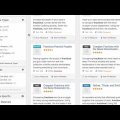
Learning Explorer is a standards-aligned instructional-resource search and lesson-building platform. It is intended primarily for K–12 educators finding and organizing instructional resources, with teachers, coaches, curriculum leaders, and students using it to support resource discovery, lesson planning, curriculum mapping, and differentiated assignment.
Educators find, curate, adapt, and assign lessons and digital resources from multiple providers. Districts should evaluate how the product fits adopted curriculum, student needs, instructional time, and the work educators must do around it.
Product Details
LearnPlatform by Instructure is an edtech-management and evidence platform for inventorying digital learning products, monitoring usage, supporting privacy and compliance review, organizing approvals, and evaluating effectiveness and return on investment. It helps districts replace disconnected spreadsheets used for software requests and renewals.
The platform is directly relevant to the user’s original reason for creating the Workflow category, but its clearer home is EdTech Management, Software Governance, or Application Portfolio Management. Existing interoperability values are preserved pending the future connector redesign.

Product Details
LiveSchool is a schoolwide positive-behavior and culture platform built around a shared points rubric. Teachers and other staff can recognize students from a browser or mobile device, attach comments, and use the same expectations across classrooms, while students and families can follow progress through their own accounts.
Schools can connect earned points to rewards, house systems, and celebrations, then use dashboards and reports to examine participation and behavior patterns. The product is designed to make daily recognition fast enough for staff to use consistently and to give leadership teams clearer evidence about whether their culture system is reaching every student.
Product Details
MagicSchool is a K–12 generative AI platform for educators, students, and district administrators. It combines a large set of structured teacher tools for planning, differentiation, assessment, feedback, and communication with MagicStudent, a supervised environment where teachers can assign AI-supported activities to learners.
The platform addresses two related district needs: giving staff practical AI tools that reduce routine workload and offering students a school-managed alternative to general public chatbots. Enterprise offerings add centralized controls, usage visibility, professional learning, privacy safeguards, and connections to common LMS and identity systems.

Product Details
MidSchoolMath is a middle-school mathematics curriculum and digital learning system. It is intended primarily for middle-grade mathematics learners, with math teachers, students, interventionists, and curriculum leaders using it to support conceptual understanding, problem solving, mathematical discourse, and practice.
Teachers use story-based contexts, classroom discussion, practice, assessment, and reporting to organize middle-grade mathematics instruction. Districts should evaluate how the product fits adopted curriculum, student needs, instructional time, and the work educators must do around it.

Product Details
Mystery Science is Discovery Education’s elementary science lesson program. It is intended primarily for elementary science learners, with elementary teachers, students, curriculum leaders, and families using it to support phenomena, inquiry, discussion, hands-on investigation, and science explanation.
Teachers use short videos, guiding questions, discussion, readings, and low-preparation hands-on activities organized into standards-connected units. Districts should evaluate how the product fits adopted curriculum, student needs, instructional time, and the work educators must do around it.

Product Details
Newsela is a differentiated instructional-content platform with leveled texts and subject collections. It is designed primarily for upper-elementary through high-school learners reading at varied levels across ELA, science, social studies, and current events, with students, teachers, curriculum leaders, multilingual-learner staff, and interventionists using it to support knowledge building, disciplinary literacy, current events, vocabulary, and text-dependent response.
Teachers assign articles and text sets at accessible levels, connect reading to standards or curriculum topics, and use quizzes, writing, annotations, and reports to guide instruction. The product should be evaluated for the specific learners, instructional setting, and intensity of support a district intends—not simply as another source of digital activities.

Product Details
NoRedInk is an adaptive writing and language practice platform. It is intended primarily for upper-elementary through high-school writers, with students, ELA teachers, interventionists, and writing instructors using it to support grammar, conventions, sentence structure, revision, writing practice, and diagnostic instruction.
Students complete personalized practice and writing tasks while teachers assign skills, review misconceptions, and use diagnostic information for instruction. Districts should evaluate how the product fits adopted curriculum, student needs, instructional time, and the work educators must do around it.

Product Details
NWEA MAP Growth is a computer-adaptive interim assessment from NWEA, now part of HMH. It measures achievement and growth in subjects such as reading, language usage, mathematics, and science and reports results on the RIT scale.
Districts administer MAP Growth during planned testing windows to examine growth over time, compare performance with norms, set goals, group students, and connect results with instructional resources. Districts should align administration, accommodations, score interpretation, data access, and retention with the intended use of the assessment.

Product Details
OpenSciEd is a nonprofit open-source science curriculum initiative. It is intended primarily for elementary through high-school science students, with released courses varying by grade band, with science teachers, students, curriculum leaders, and professional-learning staff using it to support phenomena-driven inquiry, modeling, explanation, argumentation, and three-dimensional science learning.
Students investigate coherent phenomena through discussion, hands-on work, data, models, readings, and explanation while teachers facilitate sensemaking rather than deliver isolated facts. Districts should evaluate how the product fits adopted curriculum, student needs, instructional time, and the work educators must do around it.

Product Details
Otus is a K–12 assessment, data, progress-monitoring, grading, and instructional-management platform. It combines locally created and prebuilt assessments with third-party student data, standards-based reporting, portfolios, classroom tools, and intervention planning so educators can move from evidence to action without switching among separate systems.
Districts can use Otus as an assessment system, a student-data and analytics hub, and selected learning-management or MTSS workspace. It does not replace the district’s authoritative SIS, but it brings roster, demographic, academic, behavioral, attendance, assessment, and intervention information into a shared instructional record.
Product Details
Panorama Student Success is an MTSS and student-support platform that combines academic, attendance, behavior, assessment, survey, and intervention information. It helps educators identify students who may need support, create plans, coordinate services, and monitor progress from a shared whole-child record.
The platform can surface behavior risks and document related interventions, but it is broader than behavior management. Its primary value is giving multidisciplinary teams a common workflow for early warning, tiered supports, case notes, intervention monitoring, and school- or district-level analysis.