


Product Details
Lexia Learning is a portfolio of adaptive literacy programs including Core5, PowerUp, and English-language development products. It is designed primarily for students in prekindergarten through high school, especially developing and struggling readers, with classroom teachers, reading specialists, interventionists, multilingual-learner staff, and administrators using it to support foundational reading, language, comprehension, and adolescent literacy.
Students receive sequenced practice while educators use diagnostic and progress data to target small-group or individual instruction. The product should be evaluated for the specific learners, instructional setting, and intensity of support a district intends—not simply as another source of digital activities.

Product Details
MySchoolBucks by Heartland is a K–12 family payment platform for meal accounts, school fees, invoices, stores, programs, and other district collections. Families can manage multiple students, add funds, review purchases, receive alerts, and use supported web or mobile payment options.
District tools support online and in-person collection, reconciliation, reporting, and connections with Heartland nutrition products and other supported systems. Its primary role is payments, so Food Services should be a cross-list rather than its only category.
Product Details
Newsela is a differentiated instructional-content platform with leveled texts and subject collections. It is designed primarily for upper-elementary through high-school learners reading at varied levels across ELA, science, social studies, and current events, with students, teachers, curriculum leaders, multilingual-learner staff, and interventionists using it to support knowledge building, disciplinary literacy, current events, vocabulary, and text-dependent response.
Teachers assign articles and text sets at accessible levels, connect reading to standards or curriculum topics, and use quizzes, writing, annotations, and reports to guide instruction. The product should be evaluated for the specific learners, instructional setting, and intensity of support a district intends—not simply as another source of digital activities.

Product Details
Otus is a K–12 assessment, data, progress-monitoring, grading, and instructional-management platform. It combines locally created and prebuilt assessments with third-party student data, standards-based reporting, portfolios, classroom tools, and intervention planning so educators can move from evidence to action without switching among separate systems.
Districts can use Otus as an assessment system, a student-data and analytics hub, and selected learning-management or MTSS workspace. It does not replace the district’s authoritative SIS, but it brings roster, demographic, academic, behavioral, attendance, assessment, and intervention information into a shared instructional record.
Product Details
PowerSchool SIS is a widely used K–12 student information system for enrollment, student and household records, attendance, scheduling, grades, transcripts, discipline, health, programs, portals, and regulatory reporting. It serves as a district’s central operational record and supplies student and roster information to many other applications.
Districts can add PowerSchool products for enrollment, special programs, analytics, communication, assessment, learning, and other functions, but those modules should not be assumed from the SIS listing alone. Agencies should document product editions, customizations, plugins, APIs, data exchanges, and ownership of state-reporting processes.

Product Details
QuaverEd is a portfolio of digital curricula rather than one uniform program. It is intended primarily for primarily elementary and middle-grade learners, depending on the licensed music, health, SEL, or other program, with specialist teachers, classroom teachers, students, and curriculum leaders using it to support music, health, social-emotional learning, physical education, and related whole-child subjects.
Teachers use sequenced lessons, songs, videos, interactives, creative activities, assessment, and classroom resources tied to the licensed subject. Districts should evaluate how the product fits adopted curriculum, student needs, instructional time, and the work educators must do around it.
Product Details
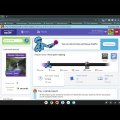
Renaissance myON is a personalized digital reading library within Renaissance. It is designed primarily for developing and independent readers across elementary and secondary grades, with students, teachers, reading specialists, librarians, and families using it to support high-volume reading, book access, interest-based choice, literacy practice, and projects.
Students browse and read digital books, sometimes with audio and reading supports, while educators assign texts, organize projects, and review activity. The product should be evaluated for the specific learners, instructional setting, and intensity of support a district intends—not simply as another source of digital activities.
Product Details
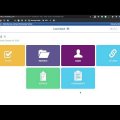
Renaissance SchoolCity is a district assessment-management platform for creating, administering, scoring, and analyzing classroom, common, benchmark, and district assessments. It combines item banks, standards alignment, online and paper workflows, and organization-level reporting.
Teams use SchoolCity to manage shared assessment programs, monitor standards, compare results across groups, and provide teachers with timely data for reteaching and intervention. Districts should align administration, accommodations, score interpretation, data access, and retention with the intended use of the assessment.
Product Details
SAFARI Montage is a district digital-media library and video-management platform. It is designed primarily for K–12 learners and educators needing curated instructional video and digital media, with teachers, students, librarians, media specialists, and technology staff using it to support curriculum-aligned video, media distribution, lesson resources, and locally managed content.
Educators search, clip, playlist, assign, and present licensed or locally uploaded media while districts manage delivery, rights, metadata, and access. The product should be evaluated for the specific learners, instructional setting, and intensity of support a district intends—not simply as another source of digital activities.

Product Details
Savvas Learning Company is a major curriculum publisher and digital-platform portfolio rather than one product. It is intended primarily for K–12 learners across subjects, depending on the adopted Savvas program, with teachers, students, curriculum leaders, and administrators using it to support ela, mathematics, science, social studies, world languages, intervention, and career learning.
District use may involve enVision Mathematics, myView Literacy, Experience Science, Realize, iLit, or other programs with different instructional models. Districts should evaluate how the product fits adopted curriculum, student needs, instructional time, and the work educators must do around it.
Product Details
SchoolAI is a K–12 generative AI platform that gives teachers tools for planning and content creation while providing students with teacher-configured AI learning environments called Spaces. Students interact with an AI assistant inside the boundaries, learning goals, source material, and instructional approach established by the educator.
The platform is designed to help schools provide differentiated AI-supported learning without leaving student activity in an unmanaged public chatbot. Teachers can monitor sessions through Mission Control, respond to safety or learning signals, and review evidence of student thinking, while district plans add centralized administration, reporting, rostering, and LMS connections.

Product Details
PowerSchool Schoology Learning is a district-scale K–12 learning management system for organizing courses, instructional content, assignments, assessments, grades, discussions, and communication. It gives teachers and students a consistent digital classroom across in-person, blended, and remote instruction.
Administrative tools support course templates, standards and mastery workflows, analytics, app integrations, and centralized governance. Its connection to the broader PowerSchool ecosystem can reduce duplicate roster, grade, and student-data work when districts use compatible PowerSchool products.
Product Details
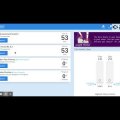
ScootPad is a standards-aligned adaptive practice and personalized-learning platform. It is intended primarily for elementary and middle-grade learners, with students, teachers, interventionists, and administrators using it to support adaptive mathematics and ela practice, scaffolding, mastery, and assessment.
Students follow adaptive or teacher-created learning paths with lessons, practice, assessment, and immediate scaffolding. Districts should evaluate how the product fits adopted curriculum, student needs, instructional time, and the work educators must do around it.
Product Details
STEMscopes is Accelerate Learning’s digital and print curriculum portfolio. It is designed primarily for students across elementary and secondary grades, depending on the licensed science, math, or STEM product, with classroom teachers, students, curriculum leaders, and instructional coaches using it to support standards-aligned science inquiry, engineering, mathematics, phenomena, and hands-on learning.
Teachers combine investigations, phenomena, readings, simulations, discourse, assessment, intervention, and hands-on materials within a structured instructional sequence. The product should be evaluated for the specific learners, instructional setting, and intensity of support a district intends—not simply as another source of digital activities.
Product Details
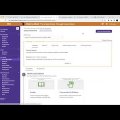
Synergy Learning Management System is Edupoint’s K–12 LMS designed to operate with the Synergy Student Information System. It gives teachers a place to organize instruction, distribute content and assignments, communicate, assess student work, and manage grades while using student, course, and enrollment data already maintained in Synergy SIS.
Its main district value is the shared Synergy environment: roster and grade workflows can require less separate synchronization than a standalone LMS. Districts should confirm current module capabilities, licensing, and compatibility with their existing Synergy version and third-party instructional tools.
Product Details
TCI History Alive! is a family of interactive social-studies curricula from TCI. It is intended primarily for upper-elementary through high-school social-studies students, depending on the specific TCI course, with teachers, students, curriculum leaders, and multilingual-learner staff using it to support history, geography, civics, economics, inquiry, discussion, and source analysis.
Teachers use structured experiential lessons, readings, primary sources, maps, simulations, discussion, writing, and assessment to help students investigate social studies. Districts should evaluate how the product fits adopted curriculum, student needs, instructional time, and the work educators must do around it.