




Product Details
Accelerated Reader is Renaissance’s independent-reading practice and monitoring program. It is designed primarily for independent readers across elementary and secondary grades, with students, classroom teachers, librarians, and reading staff using it to support reading volume, book choice, comprehension checks, and reading motivation.
Students select books, read independently, complete short quizzes, and build a reading history while educators monitor participation and comprehension patterns. The product should be evaluated for the specific learners, instructional setting, and intensity of support a district intends—not simply as another source of digital activities.
Product Details
Aeries SIS is a California-focused student information system that manages enrollment, demographics, attendance, scheduling, courses, grades, transcripts, discipline, health information, programs, and state reporting. It serves as the operational student record used by district offices, schools, teachers, students, and families.
California districts use Aeries to support daily school operations and CALPADS reporting while exchanging rosters and records with learning, assessment, communication, nutrition, identity, and other systems. Districts should document which Aeries modules, portals, APIs, and third-party integrations are authoritative for each data domain.
Product Details
Alma is a cloud-based SIS and learning-management environment for K–12 schools. It combines student records, enrollment, scheduling, attendance, gradebook, standards-based grading, transcripts, communication, portals, reporting, and instructional workflows in one platform.
Schools use Alma to run core student administration while giving educators and families a unified view of academic information. Districts should evaluate its fit for California state reporting, complex district scheduling, specialized-program data, integrations, and scale rather than assuming that features used by individual schools cover every LEA requirement.

Product Details
Big Ideas Math is Big Ideas Learning’s print and digital mathematics curriculum. It is intended primarily for middle- and high-school mathematics students, with some programs extending to elementary grades, with math teachers, students, coaches, and curriculum leaders using it to support conceptual understanding, procedural fluency, problem solving, modeling, and secondary course sequences.
Teachers use sequenced lessons, examples, explorations, practice, assessment, and digital tools across courses from middle-grade mathematics through advanced high school. Districts should evaluate how the product fits adopted curriculum, student needs, instructional time, and the work educators must do around it.
Product Details
BrainPOP is an animated multimedia learning platform with short explanations and connected activities. It is designed primarily for primarily upper-elementary and middle-school students, with related products for younger learners and multilingual audiences, with teachers, students, librarians, and families using it to support background knowledge, vocabulary, concept introduction, review, and discussion across subjects.
Teachers use topic movies, quizzes, vocabulary, games, readings, and creative tasks to launch or reinforce instruction and give students multiple ways to engage with a concept. The product should be evaluated for the specific learners, instructional setting, and intensity of support a district intends—not simply as another source of digital activities.
Product Details
Canvas by Instructure is a full learning management system used by K–12 districts to build courses, organize modules, deliver multimedia instruction, collect assignments, administer quizzes, grade work, communicate, and track student participation and performance. It can serve as the central hub for classroom applications and digital curriculum.
Canvas supports district-wide templates and governance while allowing teachers to adapt instruction for individual courses. Its open architecture, LTI ecosystem, APIs, mobile applications, SIS connections, accessibility features, and K–5 experience make it a flexible but administratively substantial platform.
Product Details
Cengage is a large publisher and platform portfolio rather than one K–12 product. It is designed primarily for primarily high-school advanced, career-technical, dual-enrollment, and postsecondary learners, depending on product, with teachers, students, curriculum leaders, libraries, and dual-enrollment programs using it to support discipline-specific textbooks, digital courseware, practice, assessment, and career preparation.
District use may involve MindTap, WebAssign, National Geographic Learning, Gale resources, or individual print/digital programs with very different audiences. The product should be evaluated for the specific learners, instructional setting, and intensity of support a district intends—not simply as another source of digital activities.
Product Details
ClassLink is a K–12 access, rostering, identity-management, and application-analytics platform. LaunchPad gives students and staff a role-based single sign-on portal; Roster Server distributes SIS roster data to learning applications; OneSync automates account and group changes; and Analytics+ helps districts understand application use.
The products are designed to work as a shared connection layer across a district's technology environment. ClassLink can import SIS and directory data, transform it to the OneRoster standard, send only approved fields to vendors, support SAML, OAuth, and LTI access, and connect cloud storage and other school resources. This lets districts add or change applications without rebuilding a separate login and roster process each time.
Product Details
Edlink is a unified integration API for education technology companies. A vendor builds one connection to Edlink and can then exchange authorized data with many SIS, LMS, identity, and roster providers instead of developing and maintaining a separate connector for every platform used by schools.
Through those connections, an application can support functions such as single sign-on, rostering, coursework and content exchange, grade passback, attendance, and other available school data. Edlink is primarily infrastructure for edtech developers rather than a district-operated integration console, although school administrators authorize sources, configure sharing, and monitor the connections serving their applications.
Product Details
Instructure Elevate Data Sync is an education interoperability platform that moves roster, student, staff, course, and learning information between student information systems and other applications. It replaces separate vendor-by-vendor integrations with centrally managed connections that understand common education standards and proprietary SIS formats.
Districts and application providers use it to automate recurring synchronization, monitor errors, map local fields, and support two-way workflows such as grade passback. The product was formerly Kimono and is now part of the Instructure platform; current Instructure documentation and service-status reporting continue to identify Elevate Data Sync as an operational product.
Product Details
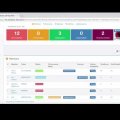
FocalPoint is a suite of K–12 assessment, analytics, adaptive learning, and credential products. The analytics component, LENS, centralizes information from SIS, assessment, LMS, and other education systems into dashboards and predictive views; AssessCloud creates and administers standards-aligned assessments whose results feed those analyses.
Because the catalog record names the entire vendor platform, members should distinguish the products in use: LENS for data warehousing and analytics, AssessCloud for assessment, LearningTree for adaptive learning, and Backpack for credentials. The current platform supports modern 1EdTech standards and common school access services.
Product Details
Freckle by Renaissance is Renaissance’s adaptive practice platform, formerly Front Row Education. It is intended primarily for K–12 learners, with strongest use in elementary and middle grades, with students, classroom teachers, interventionists, and curriculum leaders using it to support differentiated mathematics and ela practice, diagnostics, and progress monitoring.
Students complete standards-connected practice at an adjusted level while teachers assign targeted work and review performance by skill. Districts should evaluate how the product fits adopted curriculum, student needs, instructional time, and the work educators must do around it.

Product Details
Google Classroom is the course and assignment hub within Google Workspace for Education. Teachers organize classwork, distribute Google files and other resources, collect submissions, grade work, provide feedback, and communicate with students from one familiar workspace.
For districts already using Google Workspace, Classroom offers a comparatively lightweight way to standardize digital classroom routines without operating a full enterprise LMS. Paid editions add capabilities such as broader analytics, class-management controls, originality tools, add-ons, and supported SIS roster and grade workflows.
Product Details

Product Details
i-Ready is an adaptive K–12 diagnostic for reading and mathematics within Curriculum Associates’ i-Ready system. It estimates current performance by domain and skill and identifies areas where students may need support or extension.
Schools use the Diagnostic at selected points during the year to monitor growth, form instructional groups, set goals, and connect students with teacher-led resources or i-Ready Personalized Instruction. Districts should align administration, accommodations, score interpretation, data access, and retention with the intended use of the assessment.

Product Details
Savvas iLit is Savvas’s blended literacy-intervention program. It is intended primarily for adolescent and upper-elementary readers significantly below grade level, including multilingual learners, with reading intervention teachers, students, specialists, and administrators using it to support foundational skills, fluency, vocabulary, comprehension, writing, and independent reading.
Students participate in teacher-led instruction, digital practice, reading, writing, and progress monitoring within a dedicated intervention period. Districts should evaluate how the product fits adopted curriculum, student needs, instructional time, and the work educators must do around it.

Product Details
Incident IQ is a K–12 technology-support platform that combines help-desk ticketing with device, application, classroom, and user context. Teachers and staff can submit issues through school-aware workflows while technicians see the student, staff member, room, device, and service information needed to diagnose the request.
Automated routing, self-service, knowledge, parts and repair workflows, service-level tracking, dashboards, and district reporting help technology teams manage support across schools. Optional modules extend the platform into asset management, facilities, events, and other district operations.
Product Details
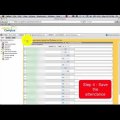
Infinite Campus is a comprehensive K–12 SIS for enrollment, demographics, scheduling, attendance, grades, transcripts, behavior, health, programs, fees, food service, portals, communication, and regulatory reporting. It serves districts and state or regional implementations from a shared student-data platform.
Districts use Campus as the operational system of record and may license additional learning, registration, payments, analytics, communication, and services. Agencies should document which modules are deployed, how state reporting is managed, and which APIs or standards-based exchanges feed other systems.
Product Details
Istation’s Indicators of Progress is Istation’s computer-adaptive assessment system, commonly called ISIP, for screening and monitoring reading, mathematics, and Spanish literacy in supported grades. It provides skill information, risk indicators, growth reports, and links to Istation instructional resources.
Districts use recurring ISIP administrations to support universal screening, instructional grouping, intervention, and progress review within the larger Istation environment. Districts should align administration, accommodations, score interpretation, data access, and retention with the intended use of the assessment.

Product Details
Learning A-Z is a portfolio that includes Raz-Plus, Reading A-Z, Science A-Z, Vocabulary A-Z, and related services. It is intended primarily for early-childhood and elementary readers, with some resources extending higher, with classroom teachers, reading specialists, multilingual-learner staff, students, and families using it to support foundational literacy, leveled reading, science reading, vocabulary, and language development.
Educators select printable and digital texts, lessons, practice, quizzes, and progress information from licensed Learning A-Z components. Districts should evaluate how the product fits adopted curriculum, student needs, instructional time, and the work educators must do around it.