


Product Details
Aeries SIS is a California-focused student information system that manages enrollment, demographics, attendance, scheduling, courses, grades, transcripts, discipline, health information, programs, and state reporting. It serves as the operational student record used by district offices, schools, teachers, students, and families.
California districts use Aeries to support daily school operations and CALPADS reporting while exchanging rosters and records with learning, assessment, communication, nutrition, identity, and other systems. Districts should document which Aeries modules, portals, APIs, and third-party integrations are authoritative for each data domain.
Product Details
Alma is a cloud-based SIS and learning-management environment for K–12 schools. It combines student records, enrollment, scheduling, attendance, gradebook, standards-based grading, transcripts, communication, portals, reporting, and instructional workflows in one platform.
Schools use Alma to run core student administration while giving educators and families a unified view of academic information. Districts should evaluate its fit for California state reporting, complex district scheduling, specialized-program data, integrations, and scale rather than assuming that features used by individual schools cover every LEA requirement.
Product Details
Almanack is an AI-assisted curriculum implementation and teacher-planning platform. It helps educators adapt adopted curriculum materials, build lessons and classroom resources, differentiate a common instructional target, and create assessments while maintaining the curriculum’s unit structure and standards context.
For schools, the product is positioned as an implementation layer rather than a replacement LMS. It addresses the gap between a district’s adopted materials and day-to-day classroom conditions—different schedules, reading levels, language needs, and accommodations—while giving curriculum leaders visibility into coverage without requiring student data for the core planning workflow.
Product Details
AristotleK12 is a device, classroom, web-filtering, student-safety, and technology-management platform. It integrates with district identity and roster sources so educators can view and guide student device activity while IT teams manage filtering, applications, hardware inventory, and safety alerts across Chromebooks, Windows, macOS, iOS, and virtual environments.
The product includes 'student behavior analytics,' but that term refers primarily to activity on school-managed technology and alerts about inappropriate or unsafe device use. AristotleK12 is not a school discipline, PBIS rewards, or behavior-intervention system and fits more naturally in classroom management, web filtering, student safety, or device management.

Product Details
Avant Assessment is a provider of online language-proficiency assessments for world languages and multilingual learners. Products measure combinations of reading, writing, listening, and speaking and report proficiency using product- and framework-aligned levels.
Districts use Avant for placement, progress, program evaluation, proficiency recognition, and Seal of Biliteracy evidence where an assessment is approved for the intended purpose. Districts should align administration, accommodations, score interpretation, data access, and retention with the intended use of the assessment.
Product Details

Product Details
Big Ideas Math is Big Ideas Learning’s print and digital mathematics curriculum. It is intended primarily for middle- and high-school mathematics students, with some programs extending to elementary grades, with math teachers, students, coaches, and curriculum leaders using it to support conceptual understanding, procedural fluency, problem solving, modeling, and secondary course sequences.
Teachers use sequenced lessons, examples, explorations, practice, assessment, and digital tools across courses from middle-grade mathematics through advanced high school. Districts should evaluate how the product fits adopted curriculum, student needs, instructional time, and the work educators must do around it.
Product Details
Blocksi is a K–12 web filtering, classroom management, student-safety, and Chromebook oversight platform. It gives district administrators, teachers, and other authorized users role-specific dashboards for controlling web access, viewing student activity, managing classroom browsing, and responding to safety or policy concerns.
Although Blocksi includes device-oriented visibility and controls, its central value is managing student online activity rather than provisioning and maintaining a general endpoint fleet. It fits better in a web filtering, classroom management, or student digital safety category, with a cross-reference from Chromebook management if the catalog supports one.
Product Details
Book Creator is a digital book-authoring and publishing environment. It is intended primarily for K–12 learners creating books, portfolios, comics, reports, and multimedia explanations, with students, teachers, special educators, multilingual-learner staff, and librarians using it to support writing, multimodal composition, accessibility, student voice, and demonstration of learning.
Students combine text, drawing, images, audio, video, links, and accessibility supports to create individual or collaborative publications. Districts should evaluate how the product fits adopted curriculum, student needs, instructional time, and the work educators must do around it.
Product Details
Boom Learning / Boom Cards is a marketplace and delivery platform for interactive Boom Cards. It is intended primarily for learners across grade levels using teacher-selected self-checking task decks, including many special-education and early-learning contexts, with students, teachers, special educators, interventionists, and content creators using it to support skill practice, immediate feedback, formative checks, and reusable digital task cards.
Teachers assign purchased or self-created decks and review response data while students complete short interactive tasks. Districts should evaluate how the product fits adopted curriculum, student needs, instructional time, and the work educators must do around it.
Product Details
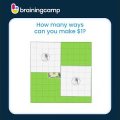
Brainingcamp is a virtual mathematics-manipulatives and lesson platform. It is intended primarily for K–12 mathematics learners using virtual manipulatives, with students, math teachers, interventionists, special educators, and families using it to support mathematical representation, number sense, fractions, algebra, geometry, and problem solving.
Learners use digital number lines, base-ten blocks, fraction tools, algebra tiles, graphs, and other models during instruction or independent work. Districts should evaluate how the product fits adopted curriculum, student needs, instructional time, and the work educators must do around it.
Product Details
BrainPOP is an animated multimedia learning platform with short explanations and connected activities. It is designed primarily for primarily upper-elementary and middle-school students, with related products for younger learners and multilingual audiences, with teachers, students, librarians, and families using it to support background knowledge, vocabulary, concept introduction, review, and discussion across subjects.
Teachers use topic movies, quizzes, vocabulary, games, readings, and creative tasks to launch or reinforce instruction and give students multiple ways to engage with a concept. The product should be evaluated for the specific learners, instructional setting, and intensity of support a district intends—not simply as another source of digital activities.
Product Details
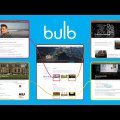
bulb is a digital portfolio and multimedia content-creation platform for students, educators, and professionals. Students collect work, reflect on learning, document skills and experiences, build resumes, and publish selected evidence for teachers, families, colleges, internships, or employers through controlled sharing settings.
In schools, bulb can support formative assessment, student voice, project documentation, career portfolios, and the transition from coursework to a public-facing showcase. It integrates with common learning and access platforms, but it is not a complete college-and-career planning system because it does not replace career assessment, course planning, counselor tracking, or application-management tools.
Product Details
Cengage is a large publisher and platform portfolio rather than one K–12 product. It is designed primarily for primarily high-school advanced, career-technical, dual-enrollment, and postsecondary learners, depending on product, with teachers, students, curriculum leaders, libraries, and dual-enrollment programs using it to support discipline-specific textbooks, digital courseware, practice, assessment, and career preparation.
District use may involve MindTap, WebAssign, National Geographic Learning, Gale resources, or individual print/digital programs with very different audiences. The product should be evaluated for the specific learners, instructional setting, and intensity of support a district intends—not simply as another source of digital activities.
Product Details
Product Details
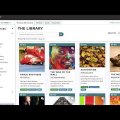
ClassLink is a K–12 access, rostering, identity-management, and application-analytics platform. LaunchPad gives students and staff a role-based single sign-on portal; Roster Server distributes SIS roster data to learning applications; OneSync automates account and group changes; and Analytics+ helps districts understand application use.
The products are designed to work as a shared connection layer across a district's technology environment. ClassLink can import SIS and directory data, transform it to the OneRoster standard, send only approved fields to vendors, support SAML, OAuth, and LTI access, and connect cloud storage and other school resources. This lets districts add or change applications without rebuilding a separate login and roster process each time.
Product Details
CommonLit is a nonprofit digital literacy platform offering a full curriculum and supplemental library. It is intended primarily for upper-elementary through high-school readers, including multilingual learners and students needing differentiated access, with ELA teachers, students, literacy specialists, and curriculum leaders using it to support grade-level reading, knowledge building, text evidence, vocabulary, discussion, and writing.
Teachers use text sets, units, paired texts, questions, discussion, writing, assessment, and accessibility supports for whole-class or targeted instruction. Districts should evaluate how the product fits adopted curriculum, student needs, instructional time, and the work educators must do around it.
Product Details
CPM Educational Program is a nonprofit secondary mathematics curriculum with print and digital resources. It is intended primarily for middle- and high-school mathematics students, with math teachers, students, coaches, and curriculum leaders using it to support collaborative problem solving, reasoning, discourse, mathematical connections, and secondary course content.
Students work in teams on sequenced problems and investigations while teachers facilitate discourse, questioning, practice, and assessment. Districts should evaluate how the product fits adopted curriculum, student needs, instructional time, and the work educators must do around it.
Product Details
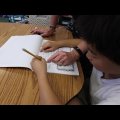
D’Nealian Handwriting is Savvas’s handwriting curriculum using the D’Nealian manuscript-to-cursive approach. It is intended primarily for elementary learners developing manuscript and cursive handwriting, with students, elementary teachers, occupational-therapy partners, and families using it to support letter formation, manuscript, cursive, fine-motor practice, and written fluency.
Students practice letter strokes, spacing, words, sentences, and connected writing through print and digital resources. Districts should evaluate how the product fits adopted curriculum, student needs, instructional time, and the work educators must do around it.

Product Details
DBQ Online is the digital delivery platform for The DBQ Project’s inquiry-based social-studies curriculum. It is intended primarily for upper-elementary through high-school students learning history and civics through evidence, with social-studies teachers, students, literacy staff, and curriculum leaders using it to support primary-source analysis, historical reasoning, argument writing, and document-based questions.
Students analyze sequenced documents, discuss competing evidence, organize claims, and write supported arguments while teachers use scaffolds and rubrics. Districts should evaluate how the product fits adopted curriculum, student needs, instructional time, and the work educators must do around it.