OpenSciEd
3
Product Details
- Website
- https://www.openscied.org
- Overview
-
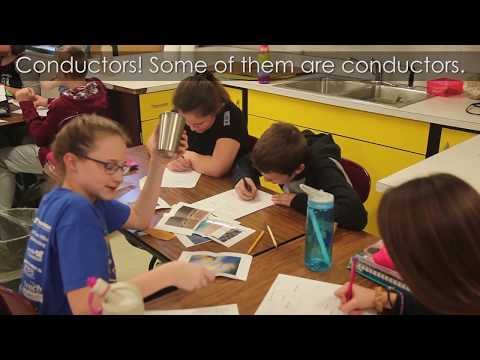
OpenSciEd is a nonprofit open-source science curriculum initiative. It is intended primarily for elementary through high-school science students, with released courses varying by grade band, with science teachers, students, curriculum leaders, and professional-learning staff using it to support phenomena-driven inquiry, modeling, explanation, argumentation, and three-dimensional science learning.
Students investigate coherent phenomena through discussion, hands-on work, data, models, readings, and explanation while teachers facilitate sensemaking rather than deliver isolated facts. Districts should evaluate how the product fits adopted curriculum, student needs, instructional time, and the work educators must do around it.
- Student Data Privacy
-
Review the Common Sense Privacy Rating:
N/A
OpenSciEd Privacy Policy:
https://www.openscied.org/openscied-terms-of-use-and-privacy-policies/
Signed California Student Data Privacy Agreement?
No - Features
-
Audience and instructional role
- Grades / learners: elementary through high-school science students, with released courses varying by grade band
- Primary users: science teachers, students, curriculum leaders, and professional-learning staff
- Learning focus: phenomena-driven inquiry, modeling, explanation, argumentation, and three-dimensional science learning — a nonprofit open-source science curriculum initiative
How it supports learning- Students investigate coherent phenomena through discussion, hands-on work, data, models, readings, and explanation while teachers facilitate sensemaking rather than deliver isolated facts.
- Teachers should connect use to explicit learning goals and inspect student work rather than rely on completion or engagement alone.
Implementation and instructional decisions- Open licensing reduces acquisition barriers but districts still need materials, professional learning, pacing, accessibility review, assessment planning, and version control.
- Districts should confirm accessibility, language support, student-data practices, assignment workflow, reporting, and the continuing role of teacher judgment.
- Interoperabilty
- Support Options
-
- Email •
- Phone •
- Web
- Company News
OpenSciEd’s science curriculum is different from traditional science curriculum. Our world-class, Next Generation Science standards-aligned instructional materials are designed for how students learn science best. The comparison below shows how we have improved science education.
OpenSciEd’s science curriculum is different from traditional science curriculum. Our world-class, Next Generation Science standards-aligned instructional materials are designed for how students learn science best. The comparison below shows how we have improved science education.
Videos