Minecraft for Education
5
Product Details
- Overview
-
Minecraft Education is Microsoft’s education edition of Minecraft with classroom controls and lesson resources. It is intended primarily for K–12 learners participating in teacher-designed game-based lessons, with students, teachers, instructional coaches, library/media staff, and technology teams using it to support collaboration, computational thinking, design, simulation, creativity, and cross-curricular problem solving.
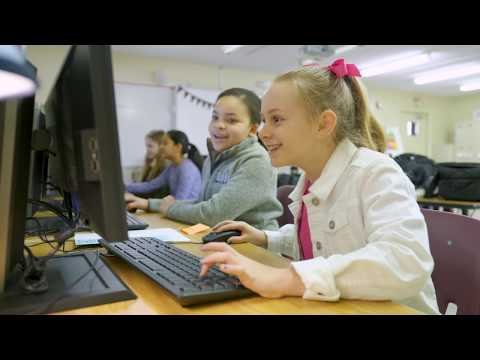
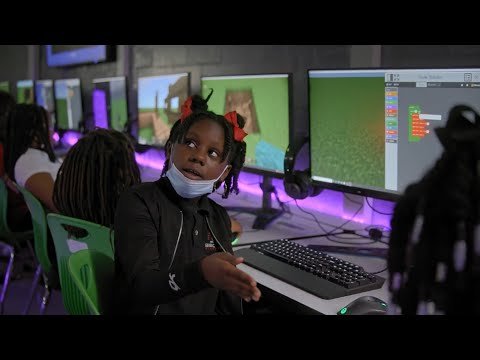
Students build models, solve challenges, code agents, collaborate in shared worlds, and document learning within teacher-facilitated activities. Districts should evaluate how the product fits adopted curriculum, student needs, instructional time, and the work educators must do around it.
- Student Data Privacy
-
Review the Common Sense Privacy Rating:
https://www.commonsense.org/education/reviews/minecraft-education-edition
Minecraft for Education Privacy Policy:
https://privacy.microsoft.com/en-us/privacystatement
Signed California Student Data Privacy Agreement?
No - Features
-
Audience and instructional role
- Grades / learners: K–12 learners participating in teacher-designed game-based lessons
- Primary users: students, teachers, instructional coaches, library/media staff, and technology teams
- Learning focus: collaboration, computational thinking, design, simulation, creativity, and cross-curricular problem solving — Microsoft’s education edition of Minecraft with classroom controls and lesson resources
How it supports learning- Students build models, solve challenges, code agents, collaborate in shared worlds, and document learning within teacher-facilitated activities.
- Teachers should connect use to explicit learning goals and inspect student work rather than rely on completion, time-on-task, or engagement alone.
Implementation and instructional decisions- The game is a learning environment, not a curriculum by itself; plan objectives, assessment, accessibility, device performance, account management, world moderation, and export/retention.
- Districts should confirm accessibility, language support, student-data practices, assignment workflow, reporting, and the continuing role of teacher judgment.
- Support Options
-
- Company News
Minecraft: Education Edition offers a unique and engaging platform for educators to enhance teaching and learning across a variety of subjects, while fostering creativity, collaboration, and problem-solving skills among students.
Minecraft: Education Edition offers a unique and engaging platform for educators to enhance teaching and learning across a variety of subjects, while fostering creativity, collaboration, and problem-solving skills among students.
Videos