Lalilo
3
Product Details
- Website
- https://lalilo.com
- Overview
-
Lalilo is Renaissance’s adaptive early-literacy practice platform. It is intended primarily for early-elementary learners developing French or English foundational literacy, depending on regional availability, with students, early-literacy teachers, interventionists, and families using it to support phonological awareness, decoding, word recognition, fluency, and differentiated practice.
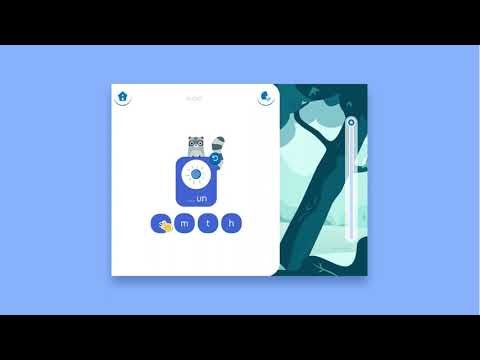
Students complete personalized literacy exercises with feedback while teachers review progress and assign targeted practice. Districts should evaluate how the product fits adopted curriculum, student needs, instructional time, and the work educators must do around it.
- Student Data Privacy
-
Review the Common Sense Privacy Rating: https://www.commonsense.org/education/reviews/lalilo
Lalilo Privacy Policy: https://www.renaissance.com/privacy/
Signed California Student Data Privacy Agreement? No - Features
-
Audience and instructional role
- Grades / learners: early-elementary learners developing French or English foundational literacy, depending on regional availability
- Primary users: students, early-literacy teachers, interventionists, and families
- Learning focus: phonological awareness, decoding, word recognition, fluency, and differentiated practice — Renaissance’s adaptive early-literacy practice platform
How it supports learning- Students complete personalized literacy exercises with feedback while teachers review progress and assign targeted practice.
- Teachers should connect use to explicit learning goals and inspect student work rather than rely on completion, time-on-task, or engagement alone.
Implementation and instructional decisions- Verify the district’s current language edition and U.S. availability because the public site now emphasizes French-language literacy; confirm speech recognition and accessibility.
- Districts should confirm accessibility, language support, student-data practices, assignment workflow, reporting, and the continuing role of teacher judgment.
- Interoperabilty
- Support Options
-
- Company News
Lalilo is an innovative, visually engaging, standards-aligned literacy software program intended for:
- Students who are learning to read, typically Kindergarten through Grade 2.
- Younger children, including those in preschool, who have mastered essential vocabulary and early literacy skills, and reading instruction is now appropriate.
- Students in grades 3–6 who have not yet mastered foundational literacy skills that help them read fluently and some additional instruction is needed.
Lalilo is an innovative, visually engaging, standards-aligned literacy software program intended for:
- Students who are learning to read, typically Kindergarten through Grade 2.
- Younger children, including those in preschool, who have mastered essential vocabulary and early literacy skills, and reading instruction is now appropriate.
- Students in grades 3–6 who have not yet mastered foundational literacy skills that help them read fluently and some additional instruction is needed.
Videos