RocketLit
Product Details
- Overview
-
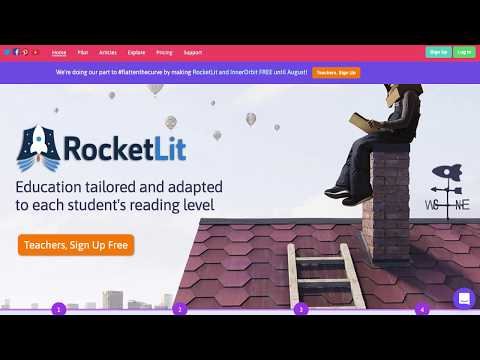
RocketLit is an adaptive leveled-reading platform for science and history. It is designed primarily for upper-elementary and middle-school students reading science and history content at varied literacy levels, with science, social studies, and literacy teachers plus students using it to support disciplinary literacy, background knowledge, vocabulary, and standards-aligned nonfiction comprehension.
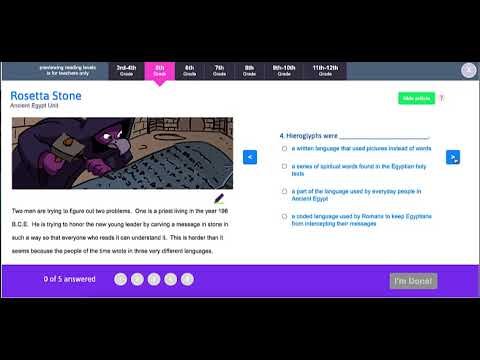
Students read the same concepts at differentiated reading levels, annotate text, listen to read-aloud support, and answer comprehension questions while teachers inspect reports and reteach concepts. The product should be evaluated for the specific learners, instructional setting, and intensity of support a district intends—not simply as another source of digital activities.
- Student Data Privacy
-
Review the Common Sense Privacy Rating:
https://www.commonsense.org/education/reviews/rocketlit
Rocketlit Privacy Policy:
https://www.rocketlit.com/privacy-policy.php
Signed California Student Data Privacy Agreement?
No - Features
-
Audience and instructional role
- Grades / learners: upper-elementary and middle-school students reading science and history content at varied literacy levels
- Primary users: science, social studies, and literacy teachers plus students
- Learning focus: disciplinary literacy, background knowledge, vocabulary, and standards-aligned nonfiction comprehension — an adaptive leveled-reading platform for science and history
How it supports learning- Students read the same concepts at differentiated reading levels, annotate text, listen to read-aloud support, and answer comprehension questions while teachers inspect reports and reteach concepts.
- Teachers should use the product within a defined instructional model rather than treat activity completion as evidence of learning.
Implementation and instructional decisions- Rename from RocketLit Science/History (formerly BirdBrain) to RocketLit; verify content coverage because some standards and units may have limited articles.
- Districts should confirm accessibility, language support, student-data practices, assignment workflow, reporting, and the role of teacher judgment.
- Interoperabilty
- Company News
Videos